

360 Account
.svg)
.png)


Learn about specialized less-than-truckload (LTL) shipping, how it differs from traditional palletized LTL and when it may be the right choice for your freight.
Ways to Ship Less-Than-Truckload Freight
LTL shipping is a transportation method used for freight that does not fill an entire trailer. While traditional palletized LTL works well for many shipments, some products require specialized handling due to their size, weight or dimensions.
Understanding the differences between palletized and specialized LTL can help you evaluate the potential operational, cost and service benefits of specialized solutions for your heavy, oversized and bulky freight.
What is Palletized LTL?
Palletized LTL is commonly used for shipments that do not require a full truckload. Freight is secured on pallets and moved through terminal networks using forklifts and other material-handling equipment. For oversized or bulky products, custom pallets may be required.
Because these items often cannot be stacked, shippers may incur added costs for unused trailer space – including unused “air” above the pallet. Multiple handling touchpoints throughout transit can also increase the risk of freight damage.
What is Specialized LTL?
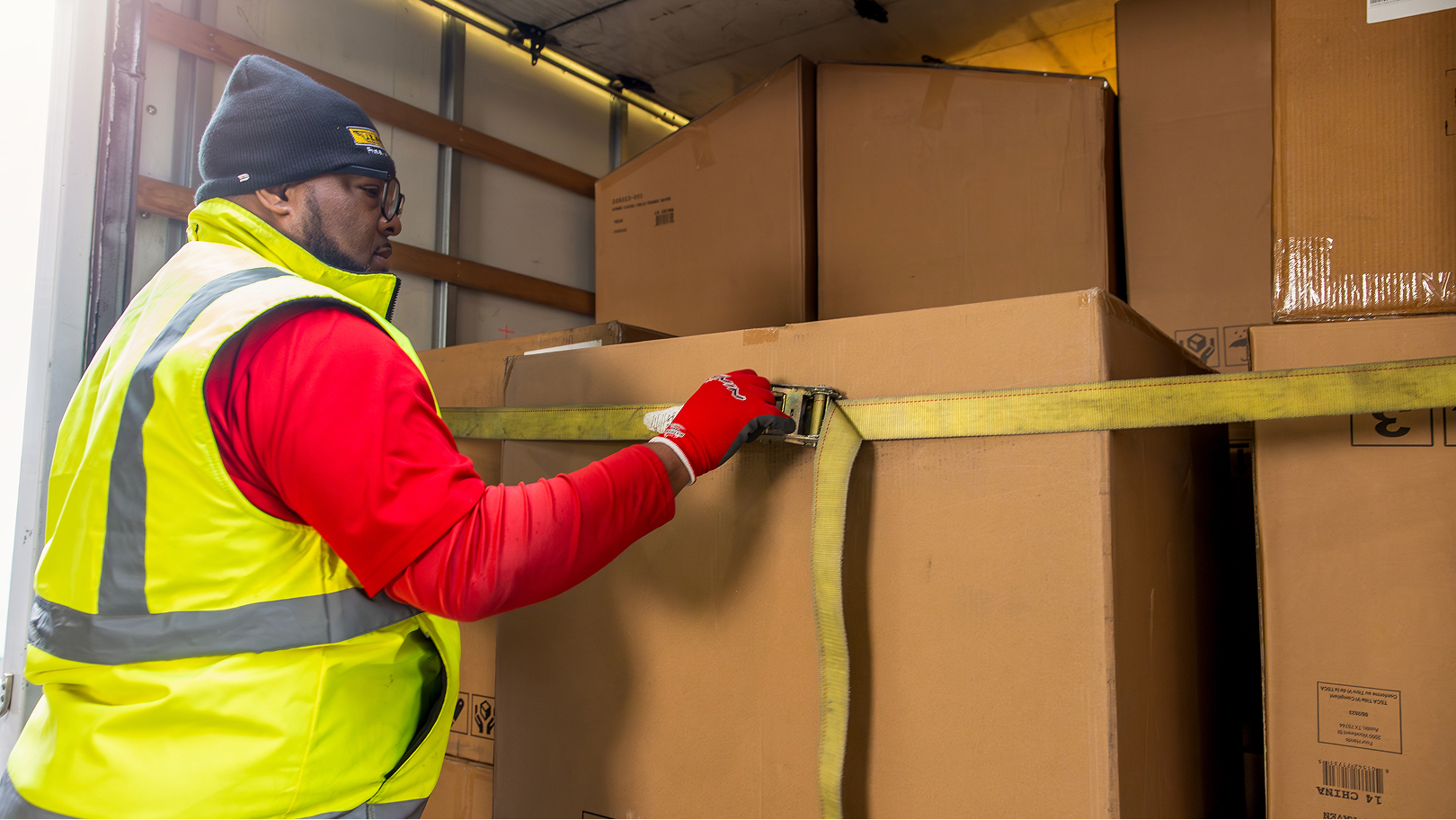
Specialized LTL is used for heavy, oversized and bulky products that require additional handling and transportation measures. Common specialized freight includes furniture, appliances, fitness equipment, e-bikes, medical beds and chairs, building materials, gaming tables and other difficult-to-palletize products.
Shippers typically pay only for the trailer space their freight occupies, without additional charges for overlength freight or unused vertical space. Specialized handling and loading practices can also help reduce freight damage during transit.
This graphic highlights the main differences between palletized and specialized LTL shipping:

While special handling requirements may affect transit times, these measures can help improve freight protection and reduce damage-related costs for large and bulky freight.
Warehousing Capabilities
Some providers with specialized LTL offerings are supported by strategically located warehouse facilities that improve inventory accessibility and delivery consistency.
Warehouse operations can provide regional inventory positioning and inventory management capabilities that help track LTL shipments from receipt through final delivery. Increased visibility into inventory and shipment status can make it easier to respond to customer demand, market shifts and seasonal fluctuations.